Prehospital Medical - Endocrinology Conditions
Prehospital Endocrine Emergencies: Recognition, Assessment and Management
Endocrine emergencies are high-risk, time-critical presentations encountered in prehospital care. Conditions such as hypoglycaemia, hyperglycaemia, diabetic ketoacidosis (DKA), adrenal crisis, and thyroid storm require rapid recognition, structured assessment, and evidence-based management by paramedics and prehospital clinicians.
This series explores endocrine conditions from a frontline perspective, focusing on pathophysiology, clinical assessment, red flag features, differential diagnosis, and current best practice in prehospital treatment. Designed for paramedics, ambulance clinicians, student paramedics, and urgent care professionals, these articles support safe decision-making, optimise patient outcomes, and strengthen clinical reasoning in endocrine emergencies.
Prehospital Medical – Endocrinology Conditions – Articles
Prehospital Medical – Endocrinology Conditions – Resources
🔗 Diabetic Ketoacidosis (DKA) – NICE
Practical guidance on DKA and hyperglycaemic emergency treatment.
📥 Coming Soon
📖 Quiz: Prehospital Hypoglycaemia
Test your knowledge of hypoglycaemia assessment and management in the prehospital setting. This interactive quiz challenges your understanding of recognition, differential diagnosis, JRCALC-aligned treatment options, glucose thresholds, and safe discharge considerations.

Prehospital Medical – Endocrinology Conditions –
Did You Know?
Hypoglycaemia Can Mimic Stroke or Intoxication.
Did you know that hypoglycaemia may present with focal neurological deficits, confusion, agitation, or reduced consciousness, closely resembling stroke, seizure activity, or alcohol intoxication, making early capillary blood glucose testing essential in any patient with altered mental status.
Diabetic Ketoacidosis Is Not Defined by Glucose Alone
Did you know that DKA can occur with only moderately elevated blood glucose levels, particularly in patients taking SGLT2 inhibitors, meaning metabolic acidosis and ketone production are the key diagnostic features rather than glucose level alone.
Adrenal Crisis Can Present as Refractory Hypotension.
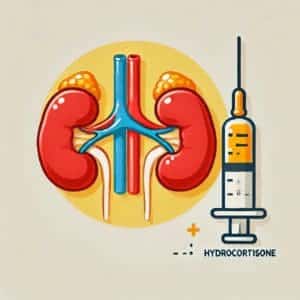
Did you know that adrenal crisis may cause severe hypotension that does not respond to fluid resuscitation, requiring urgent steroid replacement to prevent rapid deterioration.
Rebound Hypoglycaemia Can Occur After Treatment
Did you know that patients treated for hypoglycaemia, especially those on long-acting insulin or sulfonylureas, are at risk of recurrent hypoglycaemia, requiring ongoing monitoring and careful safety-netting.
Hyperosmolar Hyperglycaemic State (HHS) Carries High Mortality
Did you know that HHS often develops gradually over days, commonly in older adults, and is associated with significant dehydration and higher mortality rates than DKA.
Prehospital Medical – Endocrinology Conditions –
CPD Reflection Prompts
Reflective practice is a key part of continuing professional development (CPD) and clinical improvement. Use these prompts below to guide your self-reflection on a recent patient assessment.
Reflect on a recent endocrine condition that you have encountered in the field and consider the following prompts to guide your CPD entry:
- jWhat endocrine condition were you managing, and how did it present prehospital?
- jWhat went well in your recognition and management of the endocrine condition?
- jWhat challenges or uncertainties did you encounter during this case?
- jHow did this presentation influence your clinical decision-making and priorities?
- jHow confident did you feel in recognising and managing this endocrine condition?
- jWhat, if anything, would you do differently if you encountered a similar case again?
Consider recording this reflection in your CPD portfolio or ePortfolio, such as the PrehospitalHalo CPD Log, using a recognised framework like the Gibbs Reflective Cycle or What? So What? Now What?. Structured reflection supports deeper clinical insight, enhances self-awareness, and helps translate experience into improved practice.
Documented reflections like this provide evidence of ongoing learning and can support annual CPD requirements, in line with expectations set by professional and regulatory organisations such as the HCPC, HPAC, UKREMT, Qualsafe, HEE, and many others. Maintaining clear, well-structured CPD records is an essential part of demonstrating safe, effective, and reflective practice as a healthcare professional.
Prehospital Medical – Endocrinology Conditions – FAQs
Frequently Asked Questions about Prehospital Medical – Endocrinology Conditions – in Paramedic Practice
What endocrine emergencies are most commonly encountered in prehospital care?
The most frequent endocrine presentations in the prehospital setting include hypoglycaemia, hyperglycaemia, diabetic ketoacidosis (DKA), hyperosmolar hyperglycaemic state (HHS), adrenal crisis, and thyroid emergencies. Hypoglycaemia remains the most common and rapidly reversible condition.
Why is early blood glucose testing essential in unwell patients?
Altered mental status, seizures, focal neurology, or reduced consciousness may be caused by hypoglycaemia. Early capillary blood glucose testing helps rule out a reversible cause and prevents delays in treatment.
How can paramedics differentiate DKA from HHS prehospital?
DKA is typically associated with ketonaemia, metabolic acidosis, and rapid onset symptoms, often in younger patients. HHS usually develops gradually, presents with profound dehydration and very high glucose levels, and is more common in older adults. Definitive differentiation may require hospital blood tests.
When should adrenal crisis be suspected?
Adrenal crisis should be considered in patients with known adrenal insufficiency presenting with hypotension, weakness, abdominal pain, vomiting, or altered consciousness — particularly if hypotension is not responding to fluids.
What are key priorities in managing hypoglycaemia?
Rapid recognition, prompt administration of oral glucose or IV/IM treatment where indicated, reassessment of glucose levels, and appropriate safety-netting or conveyance decisions
Why are endocrine emergencies high risk in prehospital care?
They can deteriorate quickly, present atypically, and may initially appear less severe than they are. Strong clinical reasoning and adherence to evidence-based guidance are vital to optimise patient outcomes.