Prehospital Airway Procedures
Prehospital airway procedures for safe emergency care
Prehospital airway procedures are a cornerstone of safe and effective emergency care, with early airway assessment and intervention playing a critical role in oxygenation, ventilation, and patient survival. In the out-of-hospital environment, clinicians must make rapid, well-judged decisions while managing airway compromise in challenging and unpredictable conditions.
This resource explores key prehospital airway procedures, from basic airway manoeuvres and adjuncts to supraglottic airways and advanced techniques. Designed for paramedics, EMTs, ECAs, and first responders, it focuses on practical application, patient safety, and evidence-based decision-making to support confident airway management in frontline care.
Prehospital Airway Procedures – Articles
Prehospital Airway Procedures – Resources
🔗 Difficulty Airway Society – DAS
Evidence-based guidance on airway assessment, planning, and management of difficult airways, supporting safe escalation and decision-making in high-risk airway situations.
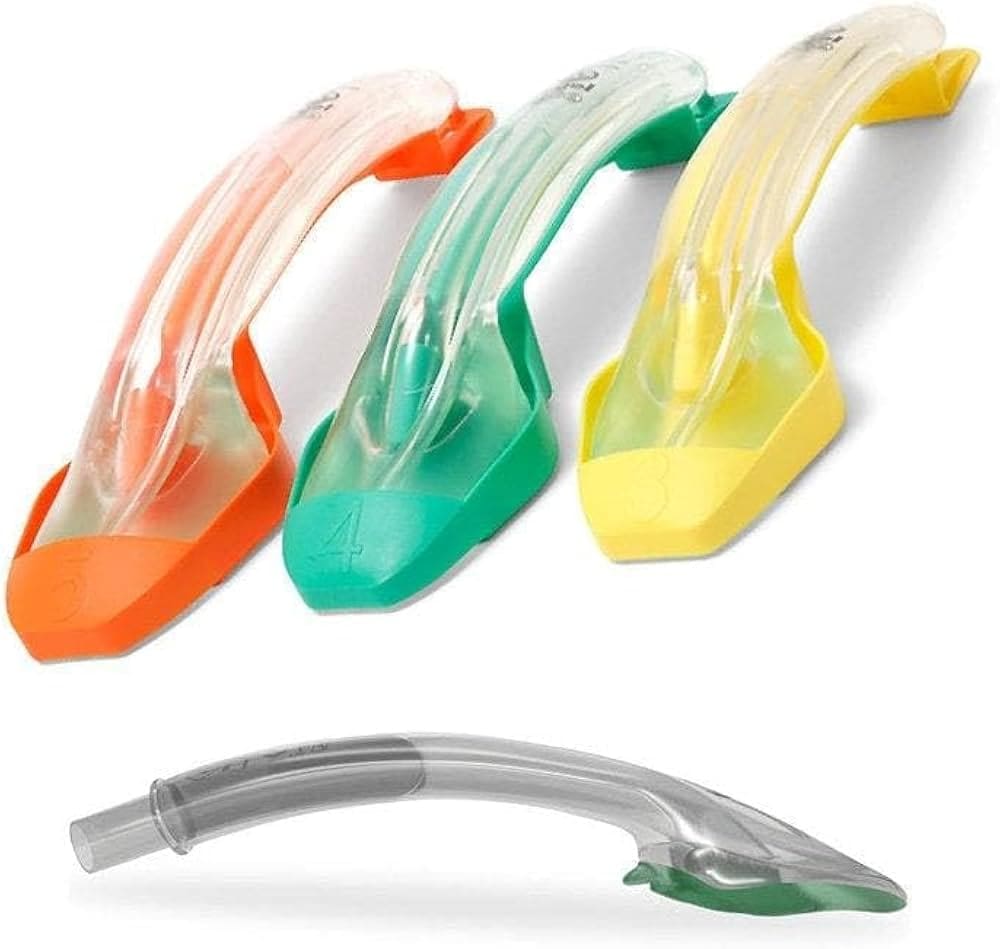
📥Supraglottic Airway Sizing & Insertion Guide
Quick-reference guide covering device selection, sizing, insertion steps, confirmation of placement, and troubleshooting for commonly used supraglottic airways.
📖 Coming Soon

Prehospital Airway Procedures – Did You Know?
Basic airway interventions are often the most effective
Simple measures such as airway positioning, suction, and basic adjuncts can significantly improve oxygenation and ventilation before advanced airways are required.
ETCO₂ reflects circulation as much as ventilation
End-tidal CO₂ is influenced by cardiac output and perfusion as well as ventilation, making it a valuable indicator during cardiac arrest and peri-arrest states.
Advanced airways are not always the safest first option
Supraglottic airways and bag-valve-mask ventilation may provide safer and more effective oxygenation than endotracheal intubation in many prehospital scenarios.
Positioning is a powerful airway intervention
Patient positioning can dramatically improve airway patency, ventilation, and oxygenation, particularly in obese, unconscious, or respiratory-compromised patients.
Airway failure is often a systems issue
Most failed airways are linked to human factors, poor preparation, or delayed escalation rather than lack of technical skill, highlighting the importance of planning and teamwork.
Prehospital Airway Procedures – CPD Reflection Prompts
Reflective practice is a key part of continuing professional development (CPD) and clinical improvement. Use these prompts below to guide your self-reflection on a recent airway procedure.
Reflect on a recent prehospital airway intervention, such as basic airway manoeuvres, suction, airway adjuncts, supraglottic airway use, or ventilation support:
- jWhat went well during your initial airway assessment and management?
- jHow effective were your airway manoeuvres, adjuncts, or chosen airway device in maintaining patency?
- jHow did your positioning, oxygen delivery, and ventilation strategy align with current guidance?
- jWhat challenges did you encounter while managing the airway (e.g. secretions, anatomy, access, environment)?
- jHow did patient factors such as reduced consciousness, obesity, trauma, or respiratory distress affect your approach?
- jHow did fatigue, stress, environment, or team dynamics influence airway management and decision-making?
asdadasd
Consider writing this reflection in your CPD portfolio or ePortfolio using the Gibbs Reflective Cycle or What? So What? Now What? framework. This reflective exercise not only enhances clinical self-awareness but also provides documented evidence of learning that can count towards your annual HCPC CPD requirements. Keeping detailed, structured reflections like this is essential for maintaining your registration and demonstrating safe, effective, and reflective practice as a healthcare professional. This can count toward your annual HCPC CPD requirements.
Prehospital Airway Procedures – FAQs
Frequently Asked Questions about Prehospital Emergency Procedures in Paramedic Practice
What are prehospital airway procedures?
Prehospital airway procedures are the clinical skills and interventions used to maintain or restore a patient’s airway before arrival at hospital. These include airway assessment, manual manoeuvres, suction, airway adjuncts, oxygen therapy, ventilation support, and the use of supraglottic or advanced airway devices where appropriate.
Are basic airway interventions still important in prehospital care?
Yes. Basic airway interventions such as positioning, suction, and simple adjuncts are often the most effective and safest first-line measures. Many airway problems can be resolved without the need for advanced airway devices when these fundamentals are applied correctly.
When should supraglottic airways be used?
Supraglottic airways are commonly used when basic airway measures and bag-valve-mask ventilation are inadequate or difficult. They provide a reliable airway with less interruption to ventilation and chest compressions, particularly during cardiac arrest.
Is endotracheal intubation always required?
No. Advanced airways are not always necessary and may increase risk if performed inappropriately. The decision to escalate should be based on patient condition, clinician skill, environment, and the ability to maintain oxygenation and ventilation safely using simpler techniques.
Why is ETCO₂ monitoring important in airway management?
End-tidal CO₂ monitoring helps confirm airway placement, assess ventilation, and provides valuable information about circulation and perfusion. It is particularly useful during cardiac arrest and peri-arrest situations.