Prehospital Emergency Procedures
Life-Saving Procedures In Prehospital CarePrehospital emergency procedures are critical, time-sensitive interventions performed in uncontrolled and often high-risk environments. From airway management to haemorrhage control, these procedures require strong clinical knowledge, technical skill, and sound decision-making under pressure
At PreHospitalHub, our emergency procedure resources are designed specifically for prehospital professionals, including student paramedics, paramedics, EMTs, ECAs, and first responders working across UK ambulance services and event medicine.
Prehospital Emergency Procedures – Articles
Prehospital Emergency Procedures – Resources
🔗 JRCALC Clinical Guidelines – Joint Royal Colleges Ambulance Liaison Committee
Official UK clinical practice guidelines covering a broad range of prehospital emergency procedures including airway, trauma, medical emergencies, and resuscitation.
📥Prehospital Emergency Care: Clinical Protocols (PDF) – NLM
A WHO resource offering structured, evidence-based prehospital clinical protocols covering assessment and management of common life-threatening emergencies. These globally informed procedures are designed for prehospital providers and can be adapted for training and clinical practice.
📖 Coming Soon

Prehospital Emergency Procedures – Did You Know?
Temperature control starts prehospital.
Hypothermia worsens coagulopathy, acidosis, and outcomes, early insulation matters, even in “mild” weather.
ETCO₂ reflects circulation as much as ventilation
In cardiac arrest, end-tidal CO₂ primarily reflects pulmonary blood flow, not just airway placement. Low ETCO₂ often indicates poor cardiac output from inadequate compressions, while a sudden rise may signal return of spontaneous circulation (ROSC) before a pulse is even felt. Persistent ETCO₂ <10 mmHg despite good CPR is associated with poor prognosis.
Hypotension is a late sign of shock
Many patients maintain a normal blood pressure through vasoconstriction and tachycardia despite significant hypovolaemia or sepsis. By the time hypotension appears, physiological reserve may already be exhausted. Skin signs, mental status, pulse pressure, and trends often provide earlier warning than BP alone.
Positioning is a powerful intervention
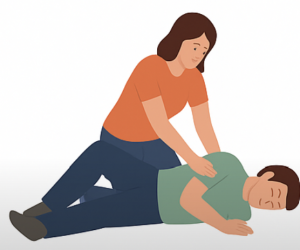
Simple changes in patient position can significantly improve physiology. Sitting a breathless patient upright reduces diaphragmatic splinting and improves ventilation. Left lateral tilt in pregnancy reduces aortocaval compression. These interventions cost nothing, require no drugs, and work immediately.
Pain triggers a stress response
Uncontrolled pain activates the sympathetic nervous system, increasing heart rate, blood pressure, and oxygen demand. In trauma or medical patients, effective analgesia can improve ventilation, reduce catecholamine release, and aid assessment, not just improve comfort.
Prehospital Emergency Procedures – CPD Reflection Prompts
Reflective practice is a key part of continuing professional development (CPD) and clinical improvement. Use these prompts below to guide your self-reflection on a recent patient assessment.
Reflect on a recent prehospital emergency procedure intervention, such as basic life support, chest compressions, airway management, or AED use:
- jWhat went well during your delivery of chest compressions or basic life support?
- jHow effective was your airway management and ventilation strategy?
- jHow did your technique (rate, depth, recoil, positioning) align with current guidance?
- jWhat challenges did you encounter while performing fundamental skills?
- jHow did fatigue, environment, or team dynamics affect performance?
- jWhat would you do differently next time?
asdadasd
Consider writing this reflection in your CPD portfolio or ePortfolio using the Gibbs Reflective Cycle or What? So What? Now What? framework. This reflective exercise not only enhances clinical self-awareness but also provides documented evidence of learning that can count towards your annual HCPC CPD requirements. Keeping detailed, structured reflections like this is essential for maintaining your registration and demonstrating safe, effective, and reflective practice as a healthcare professional. This can count toward your annual HCPC CPD requirements.
Prehospital Emergency Procedures – FAQs
Frequently Asked Questions about Prehospital Emergency Procedures in Paramedic Practice
What are Prehospital Emergency Procedures?
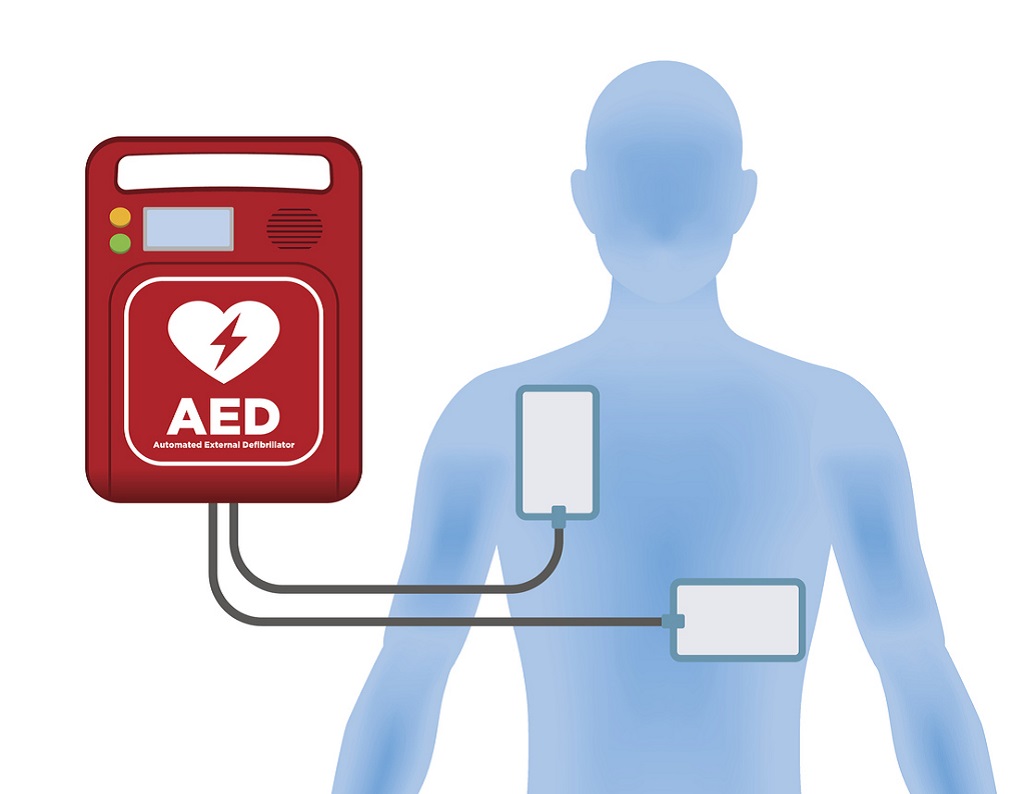
Prehospital Emergency Procedures refer to the essential clinical skills and principles that underpin safe, effective patient care before arrival at hospital. These include basic life support, high-quality chest compressions, airway management, oxygen therapy, AED use, patient positioning, and effective communication.
Why are chest compressions so important in cardiac arrest?
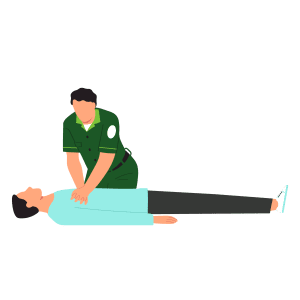
High-quality chest compressions maintain cerebral and coronary perfusion during cardiac arrest. Correct depth, rate, full recoil, and minimal interruptions are critical and have a greater impact on survival than most advanced interventions.
What makes chest compressions “high quality”?
High-quality compressions involve:
Correct hand position
Adequate depth
Appropriate rate
Full chest recoil
Minimal pauses
Regular rotation of compressors to reduce fatigue
Is airway management always about advanced airways?
No. Effective airway management often begins with simple measures such as positioning, manual airway manoeuvres, and basic adjuncts. These interventions are frequently sufficient and can be more effective than early advanced airway placement when performed well.
When should an AED be used?
An AED should be applied as soon as possible in any unresponsive patient who is not breathing normally. Early defibrillation significantly improves survival in shockable cardiac arrest rhythms.