Prehospital Medical - Psychiatric Conditions
Assessment, Risk Evaluation and Safe Management of Mental Health Emergencies in Prehospital Care
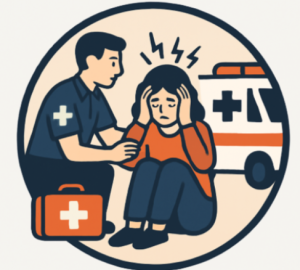
Psychiatric conditions in the prehospital setting encompass a wide spectrum of presentations, from acute anxiety and behavioural disturbance to psychosis, severe depression, self-harm and suicidal crisis. These encounters require calm communication, structured risk assessment, safeguarding awareness and safe decision-making in often complex and emotionally charged environments.
This PreHospitalHub section explores psychiatric presentations from a prehospital and urgent care perspective, focusing on mental state assessment, risk evaluation, capacity considerations, de-escalation strategies and appropriate referral pathways. Designed for healthcare professionals working across prehospital, emergency and community settings, these resources support compassionate, person-centred care while promoting safety for patients, families and clinicians.
Prehospital Medical – Psychiatric Conditions – Articles

Prehospital Medical – Psychiatric Conditions – Resources
📥 Coming Soon
📖 Quiz: Acute Stress Disorder
Test your knowledge of acute stress disorder recognition and management in the prehospital and urgent care setting. This interactive quiz explores diagnostic features, risk factors following traumatic events, differential diagnosis (including PTSD, anxiety and substance-related presentations), and early supportive interventions.

Prehospital Medical – Psychiatric Conditions –
Did You Know?
Suicide Risk Is Not Always Obvious
Did you know that patients at high risk of suicide may deny intent, and indirect cues such as hopelessness, recent loss or sudden calmness after distress can indicate increased risk.
Acute Behavioural Disturbance Can Escalate Rapidly
Did you know that severe agitation may be associated with metabolic causes, intoxication or excited delirium, and can quickly progress to medical instability.
Capacity Can Fluctuate
Did you know that decision-making capacity is time- and decision-specific, and may fluctuate in patients experiencing acute psychiatric symptoms.
Compassionate Communication Reduces Escalation
Did you know that calm tone, clear boundaries and active listening can significantly reduce agitation and improve patient cooperation in crisis situations.
Prehospital Medical – Psychiatric Conditions –
CPD Reflection Prompts
Reflective practice is a key part of continuing professional development (CPD) and clinical improvement. Use these prompts below to guide your self-reflection on a recent patient assessment.
Reflect on a recent mental health–related case and consider the following:
- jWhat was the presenting concern (e.g. suicidal ideation, self-harm, psychosis, acute anxiety, behavioural disturbance)?
- jDid you conduct a structured assessment of both mental and physical health?
- jHow did you assess risk to the patient and others?
- jHow did you evaluate capacity and consent in this situation?
- jWere there safeguarding concerns or vulnerabilities that influenced your decision-making?
- jWhat communication techniques did you use to de-escalate or build rapport?
Consider recording this reflection in your CPD portfolio or ePortfolio, such as the PrehospitalHalo CPD Log, using a recognised framework like the Gibbs Reflective Cycle or What? So What? Now What?. Structured reflection supports deeper clinical insight, enhances self-awareness, and helps translate experience into improved practice.
Documented reflections like this provide evidence of ongoing learning and can support annual CPD requirements, in line with expectations set by professional and regulatory organisations such as the HCPC, HPAC, UKREMT, Qualsafe, HEE, and many others. Maintaining clear, well-structured CPD records is an essential part of demonstrating safe, effective, and reflective practice as a healthcare professional.
Prehospital Medical – Psychiatric Conditions – FAQs
Frequently Asked Questions about Prehospital Medical – Psychiatric Conditions – in Paramedic Practice
What psychiatric presentations are most commonly encountered in prehospital care?
Common presentations include suicidal ideation, self-harm, acute anxiety or panic attacks, psychosis, severe depression, substance-related behavioural disturbance and acute agitation.
Why is a physical assessment important in mental health presentations?
Medical causes such as hypoglycaemia, hypoxia, infection, head injury or substance intoxication can mimic psychiatric illness. A structured physical assessment is essential before attributing symptoms solely to mental health.
How should suicide risk be assessed prehospital?
Assessment should explore current thoughts, intent, plans, means, previous attempts, protective factors and recent stressors. Risk assessment should be documented clearly and communicated during handover.
HWhat is decision-making capacity and why does it matter?
Capacity is decision-specific and time-specific. Patients must be able to understand, retain, weigh information and communicate a decision. If capacity is impaired, legal frameworks may guide safe management.
How can acute agitation be managed safely?
Calm communication, maintaining safe distance, clear boundaries and reducing environmental stimuli can help de-escalate situations. Safety of the patient, bystanders and clinicians is paramount.
When should safeguarding concerns be considered?
Safeguarding should be considered in cases involving vulnerable adults, young people, domestic abuse, exploitation or repeated self-harm presentations.
When is conveyance to hospital indicated?
Conveyance is usually indicated when there is high suicide risk, significant self-harm, psychosis with impaired judgement, lack of capacity, medical instability or safeguarding concerns.