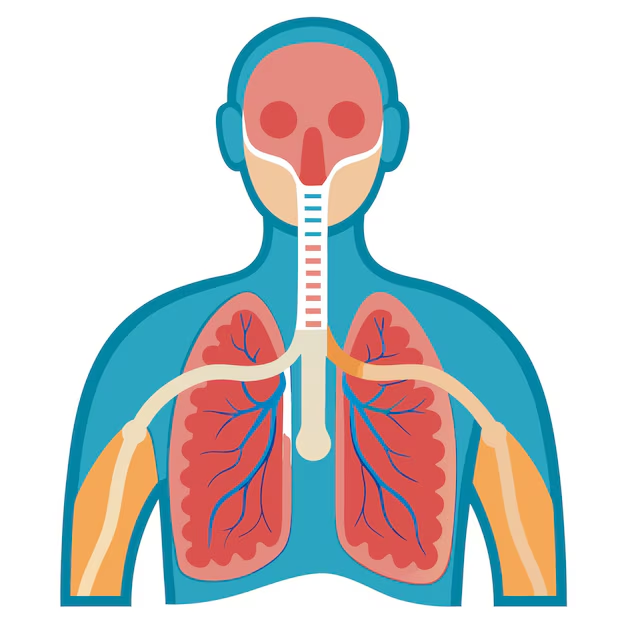
Prehospital Medical - Respiratory Conditions
Rapid Assessment, Oxygenation and Safe Management of Respiratory Emergencies in Prehospital Care
Respiratory conditions in the prehospital setting range from mild exacerbations to rapidly life-threatening airway and breathing emergencies. Presentations such as asthma, COPD exacerbations, pneumonia, pulmonary embolism, pneumothorax and acute respiratory failure require rapid assessment, early recognition of red flags and decisive intervention.
This PreHospitalHub section explores respiratory conditions from a prehospital and urgent care perspective, focusing on airway management, oxygen therapy, ventilation strategies, differential diagnosis, and escalation decisions. Designed for healthcare professionals working across prehospital, emergency and community settings, these resources support confident frontline assessment and improved patient outcomes in respiratory emergencies.
Prehospital Medical – Respiratory Conditions – Articles
Prehospital Medical – Respiratory Conditions – Resources
📥 Coming Soon
📖 Quiz: COPD
Test your knowledge of Chronic Obstructive Pulmonary Disease (COPD) assessment and management in the prehospital setting. This interactive quiz explores recognition of acute exacerbations, oxygen therapy targets, differential diagnosis, red flag features and safe conveyance decisions.

Prehospital Medical – Respiratory Conditions –
Did You Know?
Normal Oxygen Saturations Do Not Always Mean Stability
Did you know that patients with respiratory compromise may initially maintain normal oxygen saturations through increased work of breathing before rapidly tiring and deteriorating.
Excess Oxygen Can Be Harmful in COPD
Did you know that uncontrolled high-flow oxygen in some COPD patients can worsen hypercapnia, making targeted oxygen therapy essential.
Pulmonary Embolism Can Present Subtly
Did you know that pulmonary embolism may present with mild chest discomfort, unexplained tachycardia or syncope rather than obvious respiratory distress
Asthma Can Deteriorate Quickly
Did you know that a “silent chest” in severe asthma is a late and life-threatening sign of minimal airflow rather than improvement.
Prehospital Medical – Respiratory Conditions –
CPD Reflection Prompts
Reflective practice is a key part of continuing professional development (CPD) and clinical improvement. Use these prompts below to guide your self-reflection on a recent patient assessment.
Reflect on a recent respiratory condition that you have encountered in the field and consider the following prompts to guide your CPD entry:
- jWhat was the presenting respiratory complaint (e.g. asthma exacerbation, COPD flare, pneumonia, pulmonary embolism, pneumothorax)?
- jHow did you structure your assessment of airway, breathing and oxygenation?
- jWere there any red flag features such as hypoxia, exhaustion, altered consciousness or haemodynamic instability?
- jDid you consider alternative or concurrent diagnoses (e.g. cardiac causes, sepsis, anxiety)?
- jWhat went well in your clinical management and communication?
- jWhat challenges or uncertainties did you encounter during this case?
Consider recording this reflection in your CPD portfolio or ePortfolio, such as the PrehospitalHalo CPD Log, using a recognised framework like the Gibbs Reflective Cycle or What? So What? Now What?. Structured reflection supports deeper clinical insight, enhances self-awareness, and helps translate experience into improved practice.
Documented reflections like this provide evidence of ongoing learning and can support annual CPD requirements, in line with expectations set by professional and regulatory organisations such as the HCPC, HPAC, UKREMT, Qualsafe, HEE, and many others. Maintaining clear, well-structured CPD records is an essential part of demonstrating safe, effective, and reflective practice as a healthcare professional.
Prehospital Medical – Respiratory Conditions – FAQs
Frequently Asked Questions about Prehospital Medical – Respiratory Conditions – in Paramedic Practice
What are the most common respiratory emergencies encountered in prehospital care?
Common presentations include asthma exacerbations, COPD flare-ups, pneumonia, pulmonary embolism, pneumothorax, anaphylaxis and acute respiratory failure. Respiratory distress is one of the leading causes of emergency calls.
What are key red flags in respiratory compromise?
Red flags include severe hypoxia, exhaustion, silent chest, cyanosis, altered consciousness, hypotension and inability to speak in full sentences. Early recognition is critical to prevent deterioration.
How should oxygen therapy be managed prehospital?
Oxygen should be titrated according to clinical need and local guidance. Some patients, particularly those with COPD, may require targeted oxygen therapy to avoid worsening hypercapnia.
How can pulmonary embolism present?
Pulmonary embolism may present with sudden shortness of breath, pleuritic chest pain, syncope, unexplained tachycardia or haemodynamic instability.
When should pneumothorax be suspected?
Pneumothorax should be considered in patients with sudden chest pain and dyspnoea, especially following trauma or in tall, thin individuals with spontaneous onset symptoms.